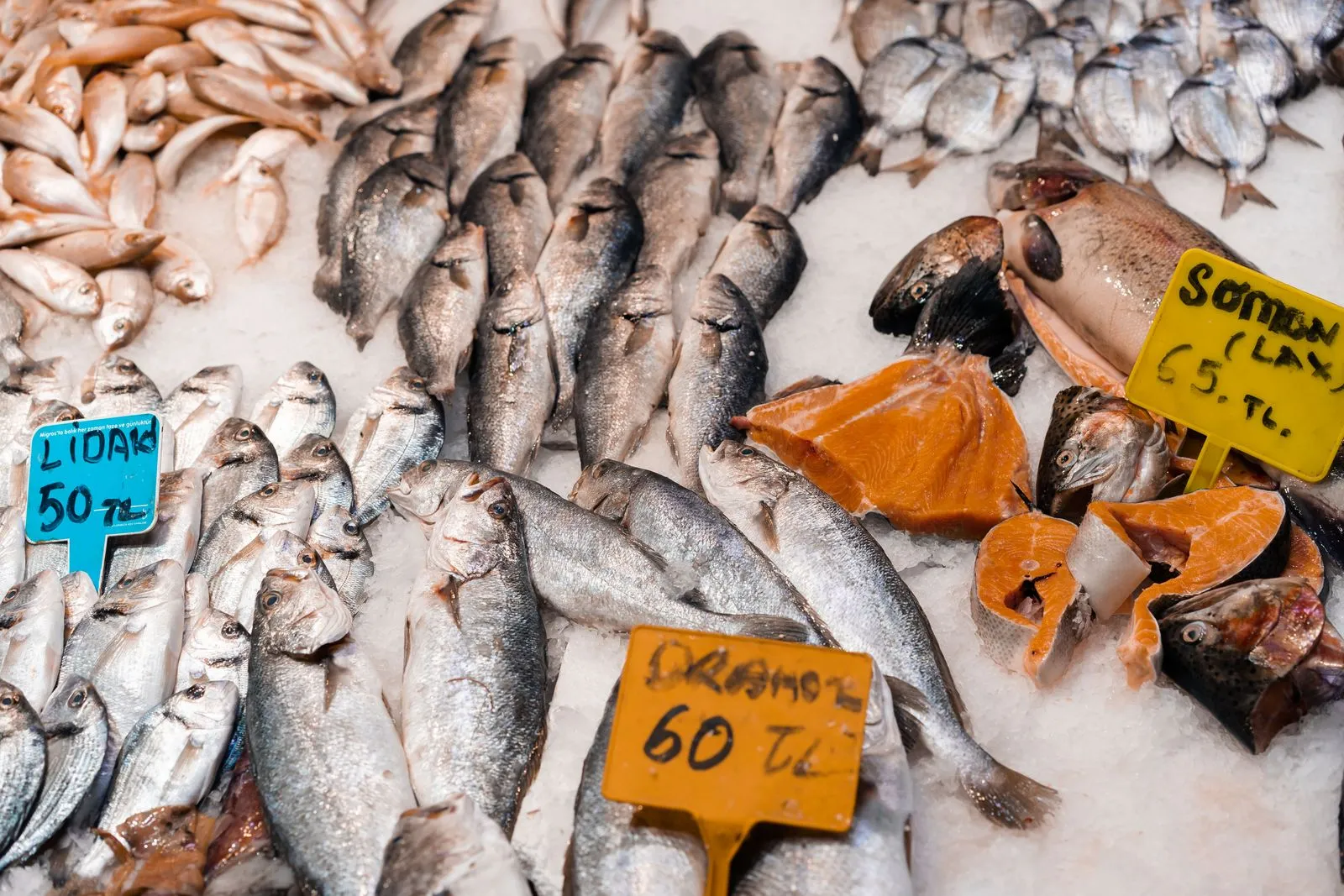
Choosing freshwater fish is easier when you know what to look for and what to ask. Freshness depends on careful handling and cold storage, so use several signs together rather than relying on appearance alone. If the fish is whole, check its eyes, skin, and smell. For fillets, look at the flesh and packaging. A clear conversation with the seller can also help you choose a suitable fish and get it home safely.
Check the Smell and Appearance
Start with the smell. Fresh fish should have a clean, mild scent, often like water. A strong sour, rancid, or ammonia-like odor is a reason to choose something else. Fish naturally varies by species, so ask the seller what is normal for that type if you are unsure.
For a whole fish, look for clear, slightly rounded eyes and shiny skin with scales that are attached. The gills should look moist and red or pink, not dull or brown. These signs can help, but no single visual check proves freshness; consider the overall condition and how the fish has been stored.
Inspect Fillets and Flesh
A fresh fillet should look moist and reasonably firm, with a natural color for its species. Avoid pieces that appear dry, discolored, or badly bruised. Some liquid in a package is normal, but excessive liquid or damaged, leaking packaging may suggest poor handling.
If you can safely view the fish, ask whether the flesh springs back gently after a light touch. It should not feel unusually soft or leave a lasting indentation. Do not handle products without permission, especially at a staffed counter; the seller can check the texture for you.
Ask the Seller Useful Questions
Ask what species it is, when it arrived, and whether it was kept chilled throughout handling. You can also ask whether it is farmed or wild-caught and where it came from. A knowledgeable seller should be able to explain what they know and tell you plainly if a detail is unavailable.
Check whether the fish is ready to cook or needs cleaning, scaling, or pin bones removed. Ask which cooking methods suit that species and how many portions the piece will provide. If you have an allergy concern or need to avoid cross-contact, explain that before the fish is prepared.
Keep It Cold After Buying
Plan your trip so fish is one of the last items you buy. Take it home promptly in a cool bag if you have a longer journey, and refrigerate it as soon as you arrive. Keep it covered and separate from ready-to-eat foods to reduce the chance of drips or cross-contamination.
Ask the seller how soon to cook or freeze the fish, since advice can vary with the product and its handling. Follow the package instructions when present, and use clean hands, utensils, and surfaces during preparation. If the fish develops an unpleasant odor or looks questionable, do not taste it to decide whether it is safe.
Choose fish with a clean smell and a fresh, well-kept appearance, then confirm its storage and preparation details with the seller. Trust your senses, ask direct questions, and keep the fish chilled on the way home. For help choosing a suitable option, speak with the team at Newcastle Freshwater Fish.